

The psychological toll of gambling understanding the mind's hidden battles
The allure of gambling
Gambling captivates the human mind with its promise of quick rewards and thrilling experiences. The excitement of winning, combined with the potential for significant financial gains, creates a compelling allure that many find hard to resist. This appeal is not merely about the money; it taps into deeper psychological desires such as risk-taking, excitement, and the hope for a better future. The anticipation that builds before a game can induce a euphoric state that further entices individuals to gamble. For those interested, a visit to pistolo-me.com might provide valuable insights into this thrilling domain.
Moreover, the social aspect of gambling enhances its appeal. Many people enjoy gambling as a form of entertainment shared with friends or strangers in a vibrant environment. This social dynamic fosters a sense of belonging and community, as players bond over shared experiences, regardless of whether they win or lose. However, this excitement can quickly morph into a dangerous cycle where individuals gamble not just for fun, but as a means to escape their everyday problems, inadvertently placing themselves on a precarious path.
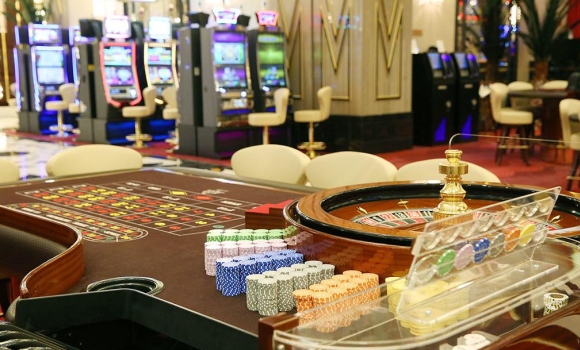
Additionally, the design of casinos and online gaming platforms is meticulously crafted to maximize engagement. Bright lights, cheerful sounds, and the thrill of chance create an immersive atmosphere that can distort one’s perception of time and reality. For many, this environment becomes addictive, drawing them in with promises of fortune while obscuring the potential for devastating losses. Understanding these psychological triggers is crucial in recognizing the hidden battles many face while navigating the world of gambling. In particular, the Pistolo casino encapsulates this enticing experience, blending excitement with the risk of addiction.
The psychological consequences of gambling
The psychological toll of gambling is profound, often manifesting in feelings of anxiety, depression, and isolation. As individuals become entrenched in gambling habits, their mental health can deteriorate, leading to a cycle of despair. The thrill of winning can quickly turn into the agony of loss, fostering guilt and shame. Many gamblers grapple with these complex emotions, creating an internal struggle that can affect their relationships and overall quality of life.
Moreover, the compulsion to gamble can lead to a phenomenon known as «chasing losses,» where individuals continue to bet in hopes of recouping what they have lost. This behavior not only exacerbates financial difficulties but also intensifies psychological distress. The relentless pursuit of recovery can cloud judgment, making it difficult to recognize when enough is enough. This denial can create a vicious cycle, trapping individuals in a never-ending battle with their impulses and emotions.
Additionally, the stigma surrounding gambling addiction complicates the situation. Many individuals feel ashamed to seek help, fearing judgment from peers or loved ones. This isolation can lead to increased levels of anxiety and depression, further exacerbating their condition. Understanding the psychological consequences of gambling is essential for both those who struggle and those who support them, fostering a more compassionate approach to recovery and healing.
Recognizing the psychological toll of gambling is the first step toward healing. Many individuals benefit from adopting coping mechanisms that promote healthier behaviors and thought patterns. Cognitive-behavioral therapy (CBT) is often effective in addressing the underlying thoughts and beliefs that drive gambling behavior. This therapeutic approach encourages individuals to challenge their perceptions of luck and risk, helping them develop a more balanced view of gambling.
Another crucial aspect of recovery is building a support system. Engaging in support groups or therapy with others facing similar struggles can provide a sense of community and understanding. Sharing experiences and coping strategies fosters resilience and offers individuals the opportunity to learn from one another. This communal support is vital for breaking the cycle of shame and isolation that often accompanies gambling addiction.
Moreover, exploring alternative activities can help divert focus from gambling. Hobbies, sports, and social engagements can serve as healthy outlets for stress relief and enjoyment. By finding fulfillment in other areas of life, individuals can reshape their identities beyond the gambler label, paving the way for long-term recovery and improved mental well-being.
The role of education and awareness
Education plays a pivotal role in combating the negative effects of gambling. By increasing awareness of the psychological toll it can take, individuals can make more informed choices about their participation. Schools, community organizations, and online platforms can provide resources that educate individuals about the risks associated with gambling, empowering them to recognize warning signs in themselves and others.
Furthermore, responsible gambling initiatives focus on fostering a culture of awareness and control. These programs emphasize moderation and informed decision-making, encouraging individuals to set limits and understand the odds before participating. By promoting responsible gambling practices, the community can collectively work toward reducing the prevalence of gambling-related harm.
Additionally, access to resources for those struggling with gambling addiction is essential for prevention and recovery. Hotlines, counseling services, and support groups can provide much-needed assistance to individuals grappling with their gambling habits. Creating a network of support helps to reduce stigma and encourages those in need to seek help, ultimately fostering a healthier relationship with gambling in society.
Our commitment to support and awareness
At our website, we are dedicated to promoting awareness and understanding of the psychological toll of gambling. Our platform offers resources, articles, and support for individuals seeking to navigate the complexities of gambling responsibly. We believe that by fostering a community focused on education and support, we can help individuals recognize and address their hidden battles.
Through informative content and engaging discussions, we aim to create a space where individuals feel empowered to share their experiences and seek help. Understanding the psychological aspects of gambling is crucial for recovery, and we are committed to being a resource for anyone affected by gambling addiction. Join us in our mission to raise awareness and support those on their journey toward healing.
«`